
Medical & Evacuation Planning for Expats
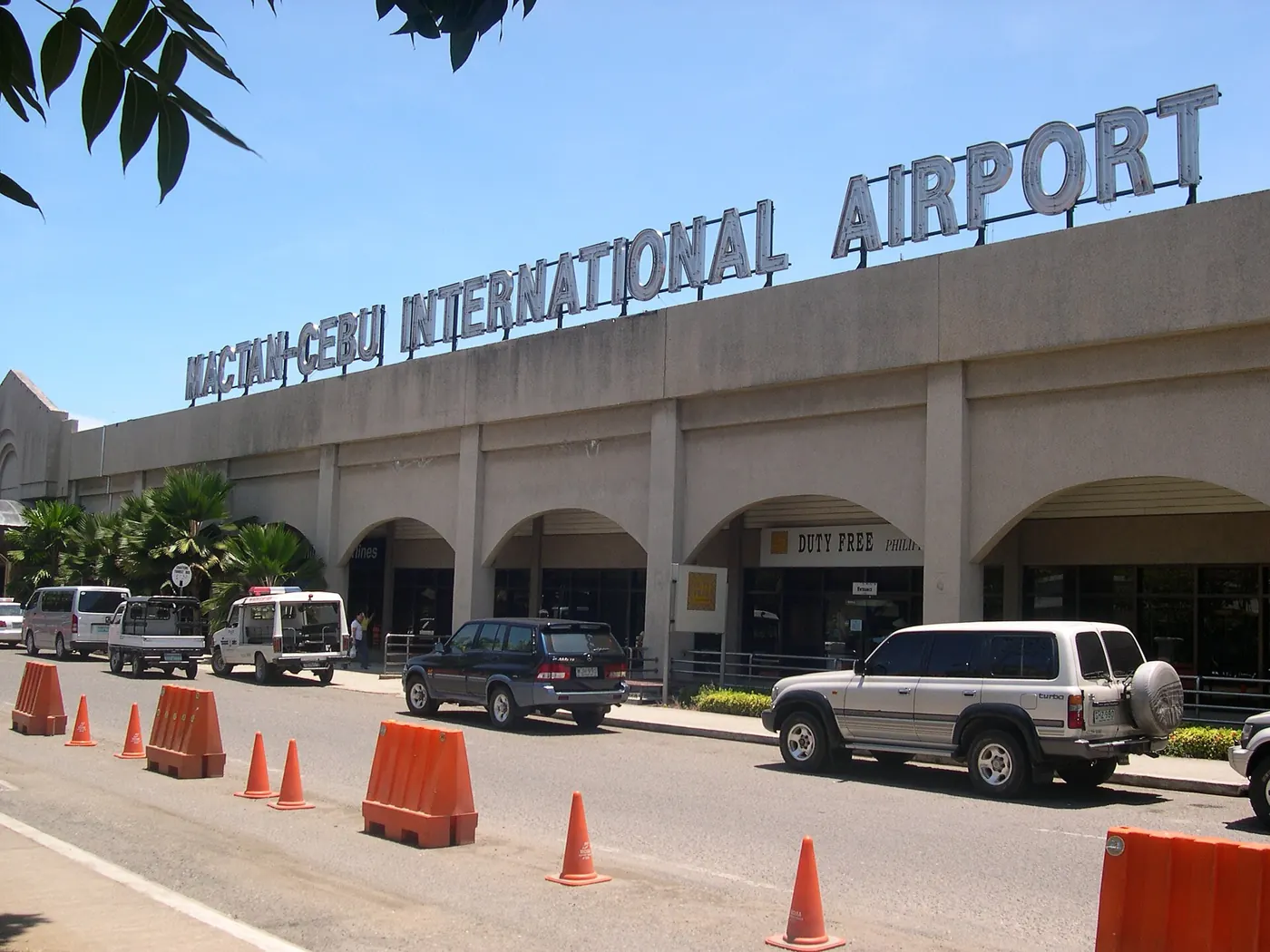
Healthcare in the Philippines can be very good, especially in the larger cities. Away from them, a serious illness or injury can mean a transfer to another hospital, another island or another country. Planning for that is mostly about knowing what each of your covers does, and what it doesn't.
Three different things called “cover”
People often use one word for three quite different kinds of plan:
- Health insurance or an HMO, which pays or reimburses hospital and medical bills, within limits.
- Cash-benefit plans, which pay a set amount on a hospital stay or on diagnosis of a covered illness, which you can use as you choose.
- Medical evacuation and repatriation cover, which arranges and pays for transport to a suitable hospital, or home, when it is medically necessary.
They overlap less than most people assume. It is common to have one, think it does the job of all three, and find out otherwise at the worst moment.
What the Pru Life UK health plans on this site do
The Pru Life UK health plans and riders listed on this site are cash-benefit plans. For example:
- PRUWellness is a yearly renewable health plan that pays daily cash during hospital confinement for illness or injury, with extra benefits for long stays and ICU, and a lump sum if confinement is due to a covered dread disease.
- PRULife Care Plus pays a cash benefit on diagnosis of, or surgery for, any of 36 listed illnesses.
- PRUHealth FamLove is a yearly renewable critical illness plan that lets one policy share its cover with eligible family members.
- The Hospital Income Rider pays a daily cash benefit for each day of hospital confinement due to illness or injury.
None of these is a medical evacuation, air ambulance or repatriation plan, and none replaces health insurance that pays hospital bills. What they can do is put cash in your hands to help with costs that other cover leaves, so they sit alongside your other cover rather than instead of it.
What to check in evacuation cover
If you hold, or are thinking about, evacuation cover from any provider, through a health plan, an employer or a separate policy, these are the points to check in the policy wording:
- Where it takes you: the nearest suitable hospital, a hospital in another country, or your home country.
- Who decides: whether the provider’s medical team must agree the evacuation is necessary, and whether it must be approved in advance.
- How to reach them: a 24-hour assistance number, and whether you must call before anything is arranged.
- Where you are covered: the geographic area, and any limits on remote islands or particular activities, such as diving.
- Exclusions: pre-existing conditions, age limits for new cover and for renewal.
- Family: whether a companion can travel with you, and whether children and a spouse are covered.
- Repatriation: whether it includes repatriation of remains, and to which country.
If the answers are not clear from the documents, ask the provider directly and keep their reply in writing.
Keep the details where your family can find them
In an emergency, the person making calls is often not the person who bought the cover. Keep a single sheet, printed and on a phone, with policy numbers, assistance lines, preferred hospitals, passport and ACR I-Card copies, blood type and allergies, and emergency contacts. Make sure someone knows where it is.
How I can help
I can go through what you already hold, help you see where the gaps are, and explain how Pru Life UK’s cash-benefit health plans work. For evacuation cover and international health insurance, please check the details with the provider concerned.
Next step
Book a 30-minute call and bring the cover you already have, or start with the planner.
Start the needs-analysis plannerBook a 30-minute callWhatsApp +63 945 439 3935
There’s no fee for a first call and no obligation. You can also email arne@licensedfinancialadvisor.ph.